
 In A conservative blog for peace, we find On pushing progressivism in church and more. I think John is a tad simplistic for many questions:
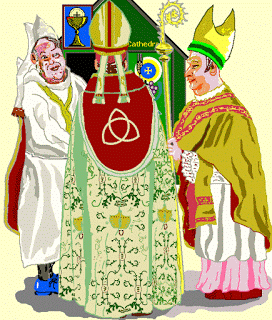
Episcopi vagantes summed up: “tossing about between Modernism, theosophy, and simple megalomania.” Ex-clergy or clergy wannabes who think they’re better than the church and want to be clergy to get respect; clericalism.
Such an epithet seems probably true for many. I had something of a brush with some men in the independent sacramental world, and I am generally disappointed. The few who sought to get away from the clerical and self-aggrandising category seemed simply to disappear. Did they relinquish their priestly vocation or simply live it in an extremely discreet way away from the internet? I have written a number of articles on this subject, looking for the best and noblest dispositions.
Our friend John would blame the whole thing on refusal of submission to the Roman Catholic Church or the more “kosher” traditionalist movements like the Society of St Pius X. On the other hand I too am disappointed to see grandiose titles and legends built on nothing. Delusion, mental problems of delinquency? There are as many answers as men involved, and I have had some involvement myself. For John, I don’t think I would be counted as being in “the Church”, but I do believe that the Anglican Catholic Church can claim at least the same degree of legitimacy as the Old Catholics of Utrecht (before women’s ordination) and the smaller Orthodox jurisdictions. Our bishops are the result of election and examination by an ecclesial body, and not the subjective wishes of an individual. That said, I am not writing this to justify myself.
Who among us would not be fascinated to discover a country, town or a collegiate church that has remained exactly the same over centuries, resisting our modern era? The archetype of the “time capsule” is powerful in our psyche. Look at the fascination we all have about time travel in science fiction and the work of quantum physicists. How often we aspire to travel back to a period of time earlier than our own. We would be rid of many of the things that dog us in our own time, but we would also sacrifice things like electronics, health care and sanitation. We who have known something cannot become like those who have never experienced them. We are living in the past compared with (for example) the twenty-second century when Earth will be as barren as Mars or there will be something like Star Wars. This archetype is a part of our Romantic aspirations, and is often expressed in music, poetry, literature and art.
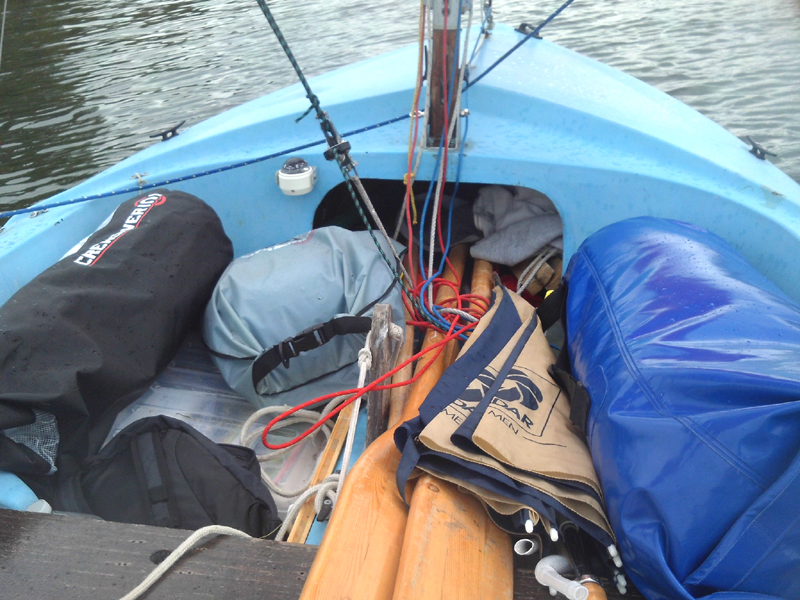
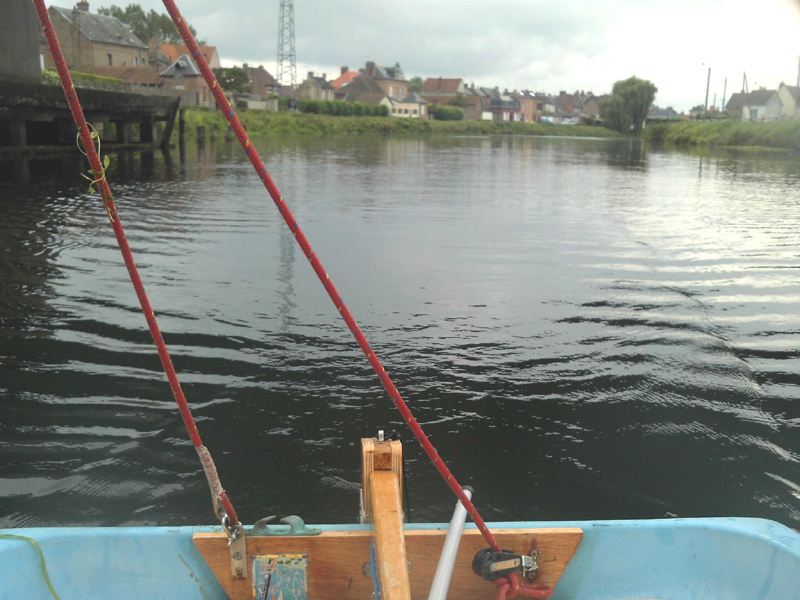
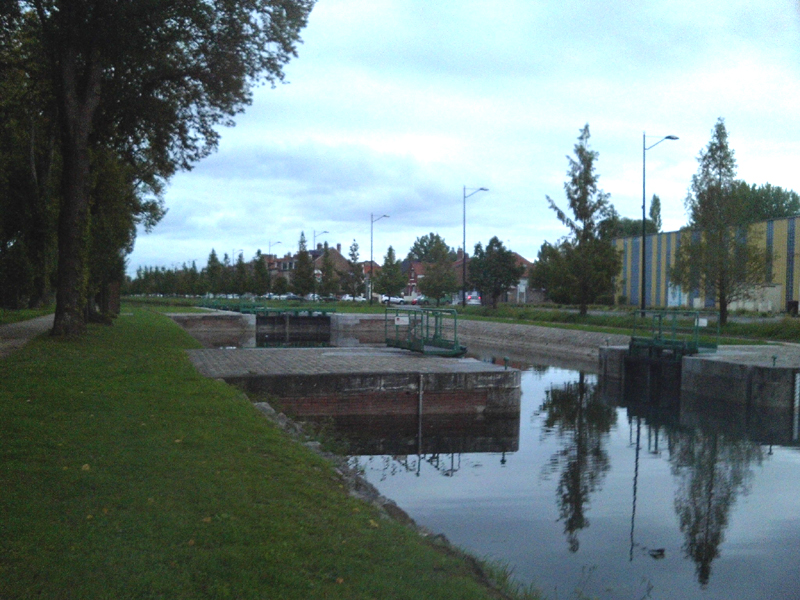
I do believe that some men who find their way to an independent priesthood or episcopate see themselves in this “time capsule” paradigm. They live in another time, as we all do to an extent or degree. Some of us can relate more easily to modernity than others. I find it hard, and have had to make my own way. I went boating last weekend with this thought from the Gospel of St Thomas:
Jesus said, “If you bring forth what is within you, what you bring forth will save you. If you do not bring forth what is within you, what you do not bring forth will destroy you.”
This carries a notion of vocation, existential purpose, something that motivates us to live for God, our fellow human beings and our planet with its wealth of animal and plant life. In the canonical Gospels, the same idea is expressed to an extent by the Parable of the Talents. It is cruel for an institution to treat a man in such a way as he loses all purpose of life, his very source of hope. I am sure that more can be done to help and guide “failed” seminarians by seeing further and wider than institutional orthodoxy. I am brought again to quote from the American poet Walt Whitman:
Down from the gardens of Asia descending radiating,
Adam and Eve appear, then their myriad progeny after them,
Wandering, yearning, curious, with restless explorations,
With questionings, baffled, formless, feverish, with never-happy hearts,
With that sad incessant refrain, Wherefore unsatisfied soul? and Whither O mocking life?Ah who shall soothe these feverish children?
Who Justify these restless explorations?
Who speak the secret of impassive earth?
Who bind it to us? what is this separate Nature so unnatural?
What is this earth to our affections? (unloving earth, without a throb to answer ours, Cold earth, the place of graves.)
Some go to discover the South Pole or some isolated tribe in the Amazonian jungle. Others seek another “expression of church” by being ordained outside the “mainstream” churches and seeking to set off on their own along untrodden paths of self-knowledge and contemplation. Believe me, there is more to it than “Modernism, theosophy, and simple megalomania“. The way I see Modernism is a different one from Roman Thomists in the beginning of the twentieth century in their combat against those who sought to maintain the Church’s credibility in an environment of historical criticism and scientific progress. We either stay in our cages, Plato’s Cave (or whatever image we use), or we set out to discover and thus to bring forth what is within us.
I am just as dubious about theosophy and New Age, because they are artificial systems of “spirituality” that do not come from within our own depths but from hackneyed stereotypes and ideas. The way of Gnosis is not institutional or something for the masses, but ourselves with the transcendent and undefinable within us and everywhere around us. I cannot go back to Roman Thomism having discovered and experienced other things outside the cavern of shadows. But, I have to agree that the little gaggles of men and women in pointed hats calling themselves Tau this-or-that are silly caricatures. We only know about their existence because some curious traditionalist has written about them in the same spirit as circus owners in Victorian England showed off the Elephant Man.
As for magalomania, there are better and more efficient ways. The best way for the budding psychopath or narcissist is to go into banking, big business and politics. Hitler, for a failed art student in Vienna, was somewhat successful – at least until he got the blow-back fully in the face and suffered the defeat that led him to his cowardly suicide. Being a bishop, known only to one’s adversaries and critics, is hardly a way to affirm one’s own sense of self-importance. Perhaps with some.
We do need to make the effort to understand things, our own aspirations and failings. Then we might see a wider and more interesting picture. It might sometimes fall within our pastoral responsibilities as priests working by unusual means (like blogs). Perhaps many of these “vagus” clerics would do better to find something useful to do in life, and explore a new spiritual quest before settling down in some more homely and familiar way. Some are called to extraordinary things, to express their priesthood differently through art, technology and science, or in the way of the many invisible saints around us, whom we would never see in church.
I first read Anson and Brandreth some thirty years ago. I still have the two books, which now gather dust of my bookshelf. I have other books and studies about this topic that captured my imagination but always left me disappointed and empty-feeling. Perhaps some of those men do good, at least for a time. The noblest souls among them give up and become monks, find their place in some institutional church – or look further afield as spiritually minded human beings. Why expose them in the pillory? Is that the spirit of Christ?




















 The Blue Flower